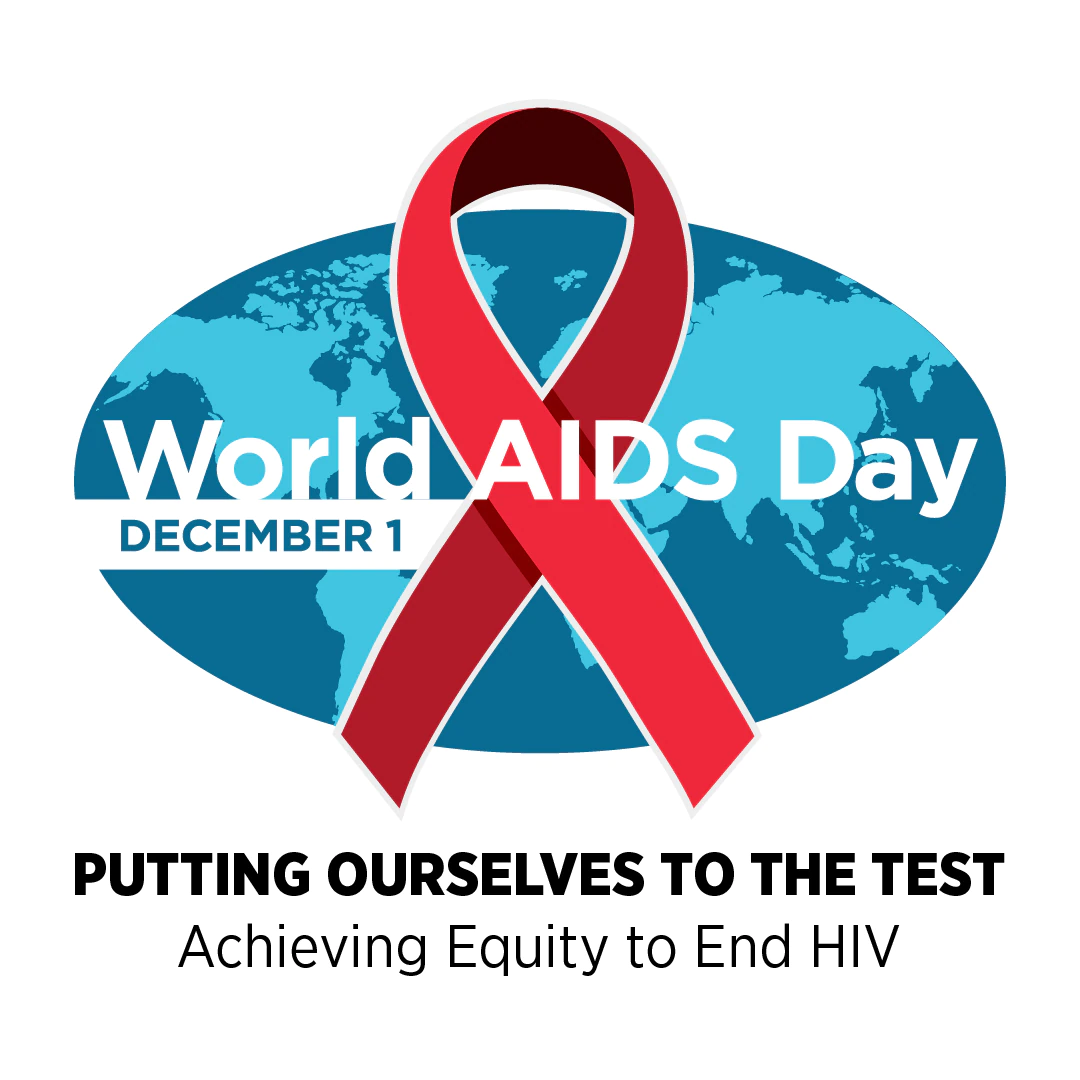
Back in 1988, the global community set aside every 1st December to celebrate World AIDS Day. The commemoration is set to renew its commitment to ending AIDS as a public health threat.
World AIDS Day presents an opportunity for people around the world to unite in the fight, show support for people living with and who are affected by the scourge and remember those who lost their lives to HIV.
The international day is one of the eleven official global health campaigns marked by the World Health Organization (WHO), along with World Health Day, World Blood Donor Day, World Immunization Week, World Tuberculosis Day, World No Tobacco Day, World Malaria Day, World Hepatitis Day, World Antimicrobial Awareness Week, World Patient Safety Day, and World Chagas Disease Day.
History of World AIDS Day
World AIDS Day was initially conceived in August 1987 by James W. Bunn and Thomas Netter, two public information officers for the Global Programme on AIDS at the World Health Organization (WHO) in Geneva.
The two took their idea to Dr. Jonathan Mann, Director of the Global Programme on AIDS (now known as UNAIDS), who liked and approved the concept. Mann agreed with the recommendation that the first observance of World AIDS Day should be on December 1, 1988.
The date was recommended by Bunn, who believed it would maximize coverage of World AIDS Day by western news media, sufficiently long following the US elections but before the Christmas Holidays.
Themes
In its first two years, the theme of World AIDS Day focused on Children and Young People. Although the choice of this theme was at the time criticized, by some, for ignoring the fact that people of all ages may become infected with HIV, the theme helped alleviate some of the stigma surrounding the disease and boost recognition of the problem as a family disease.
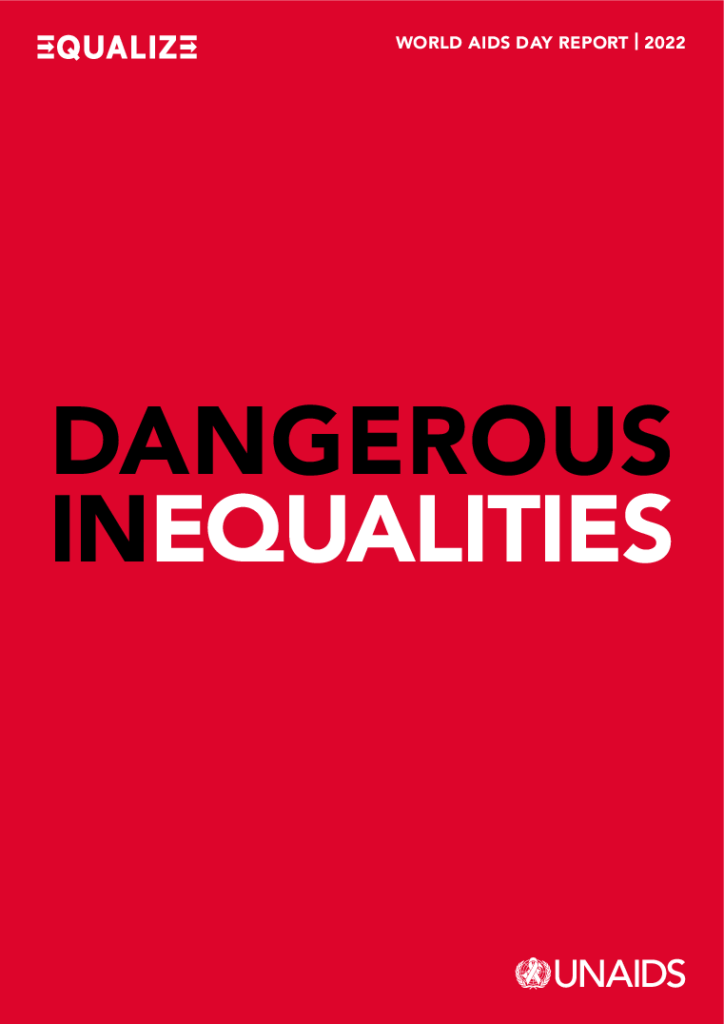
The global World AIDS Day theme for 2022 is EQUALIZE. The slogan is a call to action and is a prompt for all of us to work on the proven practical actions needed to address inequalities that impact access to HIV treatment and prevention services, and help end AIDS.
A new report from UNAIDS shows that inequalities are obstructing the end of AIDS. Dangerous Inequalities unpacks the impact on the AIDS response of gender inequalities, of inequalities faced by key populations, and of inequalities between children and adults. It sets out how worsening financial constraints are making it more difficult to address those inequalities.
It shows how world leaders can tackle those inequalities, and calls on them to be courageous to follow what the evidence reveals.
In Kenya, this is a call to address new HIV infections and invest in commodity security that will end AIDS as a public health threat by 2030.
World AIDS Day in Kenya
According to the National Syndemic Diseases Control Council (NACC), new HIV infections reduced from about 101,448 in 2013 to 34,540 in 2021, while annual AIDS-related deaths declined from 52,964 in 2010 to 22,373 in 2021.
However, even with the significant decline, the country continues to witness a worrying rise in the number of new infections among young people aged 29 years and below. Statistics show that adolescents and young people aged 29 years and below account for over 61 percent of all new HIV infections in Kenya.
In 2021, the County reported 1,127 sexual and gender-based violence cases among adolescents aged 10-17 in Kenya.
In line with the 2022 World AIDS Day global theme, EQUALIZE, and guided by the strategic direction of the Kenya AIDS Strategic Framework II, 2020/21-2024/25, Kenya has adopted the theme #Sawazisha End the Triple Threat as a prompt call for collective action to end new HIV infections, sexual and gender-based violence and adolescent pregnancies that perpetuate inequalities among adolescents and young people.
Kenya will commemorate the 2022 world AIDS day on December 1 across 47 counties. Bungoma County will host the national event.
Why World AIDS Day is Important
The first HIV case in Kenya was officially recorded 38 years ago. Since then, the country has lost more than 2 million people to AIDS-related deaths.
Globally, there are an estimated 38 million people who have the virus, and more than 35 million people have died from HIV since it was identified in 1984.
World AIDS Day reminds us the public and the government that HIV has not gone away – there is still a need to increase awareness, and improve education on HIV.
What You Can do on World AIDS Day
- Get Tested. Most people avoid getting tested for fear of the outcome. However, getting tested is the only way to find out whether or not you’re HIV positive. Free and confidential HIV tests are available in different healthcare facilities. If that isn’t your cup of tea, you can try a self-testing kit and do it from the comfort of your home.
- Buy a red ribbon. World AIDS Day is an opportunity to show solidarity with the millions of people living with HIV/AIDS. Most people do this by wearing a red ribbon on the day.
- Attend an event. So many events are held to commemorate this day. The University of Nairobi, the Government of Kenya, UNESCO, UN Women, and partners are hosting the launch of Gender Desk at the University Health Services (UHS), and a free Medical Camp thereafter. The free tests include HIV/AIDS testing, Eye check-ups, Blood Sugar screening, and more.
Je, Unajijua?
Sources: NACC Website, UNAIDS Website, UN Website.