I am a Kenyan woman. Of course, I am scared to walk alone in the dark.
Of course, I am apprehensive about my interactions with men.
Of course, the constant fear of femicide haunts me. Not just for myself, but my young child too.
I mean, how could it not?
Femicide in Kenya: An Unfolding National Emergency
From January to April 2025 alone, 129 women have been murdered, most by people they knew: husbands, boyfriends, acquaintances.
According to a chilling analysis by the Africa Data Hub, of over 930 female murders reviewed, 628 met the United Nations Office on Drugs and Crime (UNODC) definition of femicide: gender-motivated killings of women and girls, often preceded by a pattern of abuse, domestic violence, and coercive control.
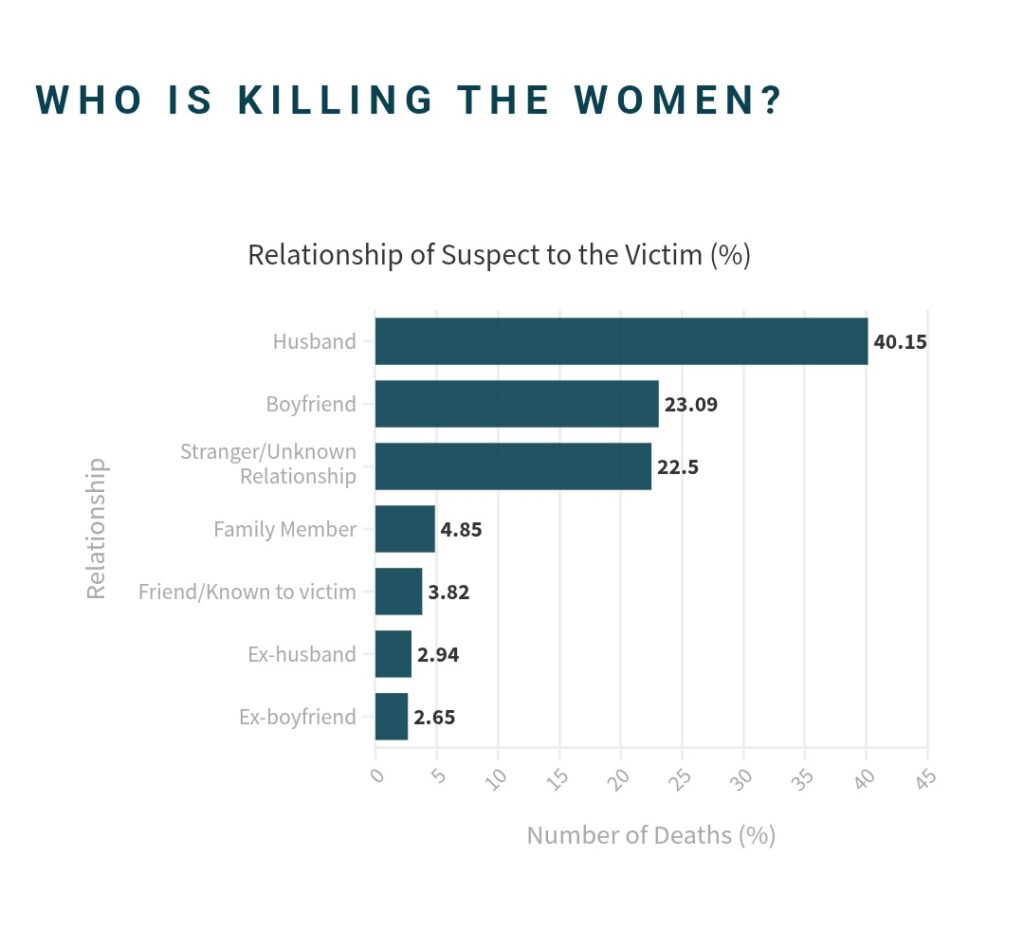
These aren’t random crimes,
- 77% of these murders were committed by someone the victim knew, and
- 68% were intimate partners.
A growing number of these cases, 77% as of 2024, also involved sexual assault before the murder. The perpetrators? Primarily men between 18 and 35 years old. The victims? Young women between 18 to 35 years, some even younger. Children.
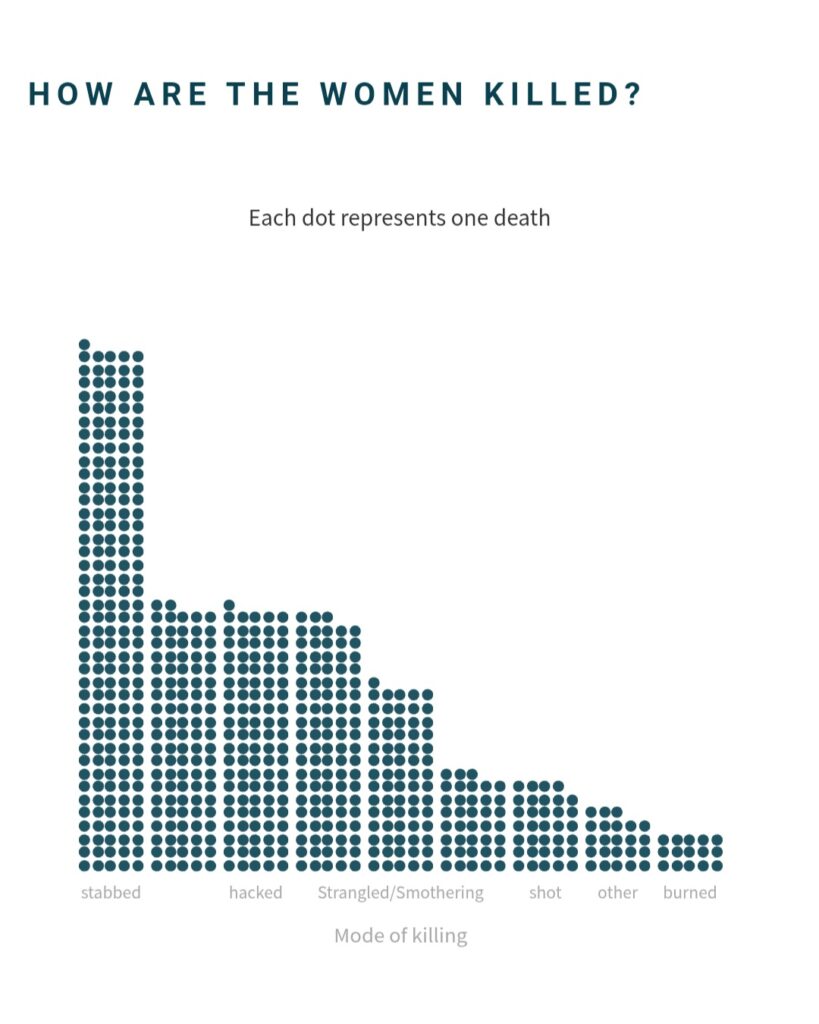
Many of these women died in places that were supposed to be safe, in their homes or with partners in lodgings and Airbnbs. Their bodies brutalized and violated. Over time, there are increasing cases of bodies being found in sacks and dumped along roads, in thickets, or in abandoned buildings.
Femicide in Kenya: The Fight Continues
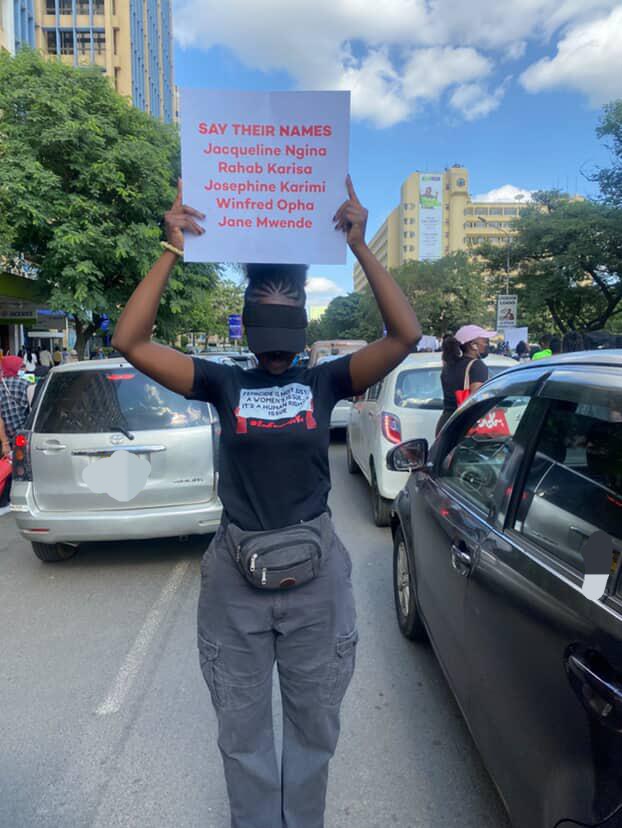
On January 27th, 2024, Kenyan streets fell into a solemn rhythm of grief, resistance, and collective defiance. Women from all walks of life, allies, civil society organizations, and human rights defenders staged the Total Shutdown Protest.
With banners reading “We will not be silenced!” and “Stop killing us!”, it was a cry from the depths of a nation that has failed its women time and again. Protest chants echoed:“Stop killing women!”“End femicide!”“She was someone!”
And yet, months later, the statistics continue to haunt.

Why Femicide Happens in Kenya
Femicide doesn’t erupt from nowhere. It thrives in a society where violence against women is normalized, where love is equated with possession. Where saying no can be a death sentence.
Common causes include:
- Domestic disputes over finances, jealousy, or refusal of sex.
- Sexual violence, often by known perpetrators.
- Cultural practices like forced marriages or harmful expectations around female submission.
Too many women are blamed for their deaths because of what they wore, who they dated, or where they went.
But again I ask myself, what about that 7-year-old girl who was raped and murdered? Is it because of what she wore?

And Justice?
Verdicts handed out in 2024 took an average of 4.01 years, spanning from the first court appearance to the final verdict. Up from the 3.6-year average between 2016 to 2023. All while the victim’s families suffer, and the perpetrators roam freely.
Kenya has laws in place, but it is the implementation and enforcement that remain a huge challenge to justice. Too many cases stall, get buried in bureaucracy, or are dismissed entirely.
What Can Be Done?
Tackling femicide will require getting to the heart of the problem, figuring out how to stop women from being killed.
This is no longer about young men and unemployment, it’s about a deep-rooted cultural issue, a misogyny that transcends generations.
We need:
- Early education that challenges gender stereotypes.
- Support systems for survivors.
- Laws that do not just exist on paper but are enforced.
- A justice system that does not make women wait four years for closure.
- Public solidarity. Female rage. Collective memory. Relentless action.
Addressing femicide means confronting the norms, attitudes, and beliefs that enable misogyny to persist across all ages.

Project Red Lipstick: Because Silence is Not an Option
In response to this brutal reality, Ogilvy Africa has launched Project Red Lipstick by partnering with Usikimiye to launch a national campaign using a symbol of bold femininity to protest an ugly truth.
Red lipstick, once a sign of beauty, is now a mark of mourning. A defiant symbol painted on lips to say:“I see you. I remember you. I fight for you.”
Project Red Lipstick is not just about awareness. It’s about making femicide a legally distinct crime in Kenya, with real consequences. It’s about pushing for justice, solidarity, and societal change.

Call To Action
Right now, the project is running a national petition demanding that the Kenyan government declare femicide a crime.
Signing takes less than 60 seconds, but your signature could help save lives.
And, finally
Let us no longer be afraid to name the problem.Let us no longer be afraid to say his name, not just hers. Let us no longer wait for another body to be found in a sack before we act.
Because she was someone. Because she deserved to live. Because we deserve better.
She was never heard. Will you listen now?