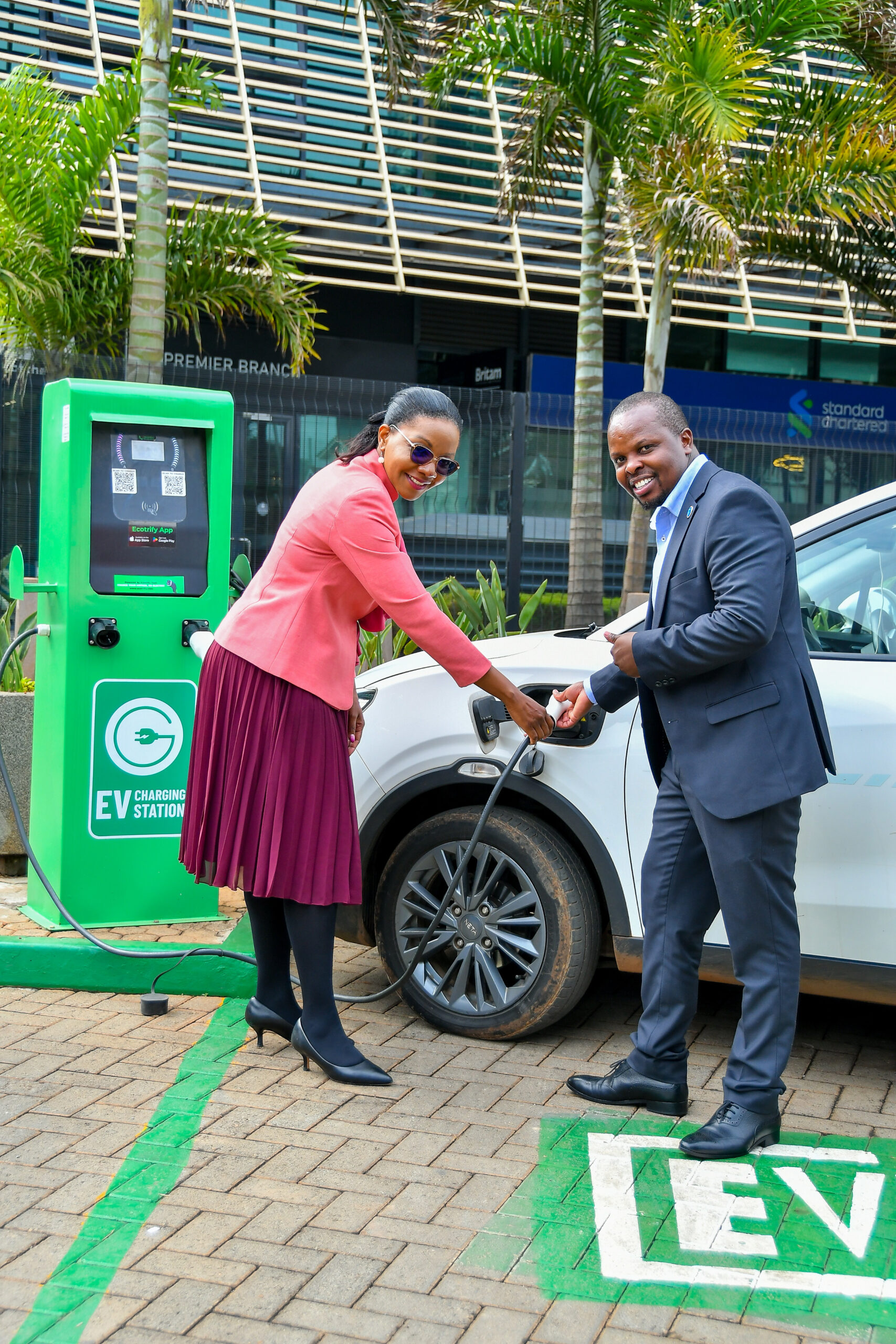
Britam General Insurance has introduced electric vehicle insurance in Kenya, responding to the growing interest in environmentally friendly transportation options. The new product covers both fully electric and hybrid vehicles, reflecting the insurer’s move to adapt to changing mobility trends in the country.
The timing aligns with Kenya’s policy direction, as outlined in the Ministry of Transport and Infrastructure’s Draft National e-Mobility Policy, which sets a target for electric vehicles to make up 5% of new vehicle registrations by 2025. This government backing suggests a genuine shift toward cleaner transport solutions is underway.
What makes this insurance different is its focus on the specific needs of electric vehicle owners. The standout feature is the Battery Protect Cover Extension, which covers the battery and electric motor system – typically the most expensive parts to replace in an EV.
The policy also includes coverage for personal charging equipment and an out-of-charge recovery service that will tow vehicles to the nearest charging point when they run out of power.
“This EV Insurance cover shows how Britam innovates to meet evolving customer needs while supporting sustainable transport,” said James Mbithi, CEO and Principal Officer at Britam General Insurance. “By providing tailored EV insurance, we are contributing to a low-carbon future while helping the market scale responsibly.”
Beyond these EV-specific features, the insurance provides standard comprehensive coverage including protection against accidents, theft, fire, flooding, and vandalism. Policyholders also get additional benefits like political violence and terrorism cover, courtesy vehicles, roadside assistance, and excess protection.
The company has kept pricing considerations in mind, offering both lump-sum payment options and monthly installments to make the coverage more accessible. The policy extends to privately used electric motorcycles as well, broadening its appeal.
This insurance launch is part of Britam’s broader environmental initiatives. The company has installed three EV charging stations with six charging ports and a 183-panel solar car port at its Nairobi headquarters, demonstrating its practical commitment to sustainability beyond just offering insurance products.
For Kenyan consumers considering the switch to electric vehicles, having specialized insurance available removes one more barrier to adoption, potentially supporting the country’s broader environmental goals.