“Umenunulia mtu wako kitu for Valentines?”. “Na hii serikali, wewe unaiona aje?”. These are conversation starters I use anytime I’m in an Uber. You’d be surprised at how much the drivers open up, we end up laughing and chatting; sometimes it ends up as a therapy session between the driver and me.
Even with the unveiling of women drivers across most ride-hailing companies, all the drivers I’ve met and interacted with were male.
I’ve always been a curious person. I simply want to know more. It hasn’t killed me so far though. We’re good, for now.
So when my colleague hit me up and said “Jacky there’s a women’s Uber drivers event I’d love for you to attend on my behalf,” I agreed. Coincidentally, my driver for the day was a lady. My curiosity was bubbling and went over the roof. I couldn’t wait to get to the event, learn and interact with women drivers.
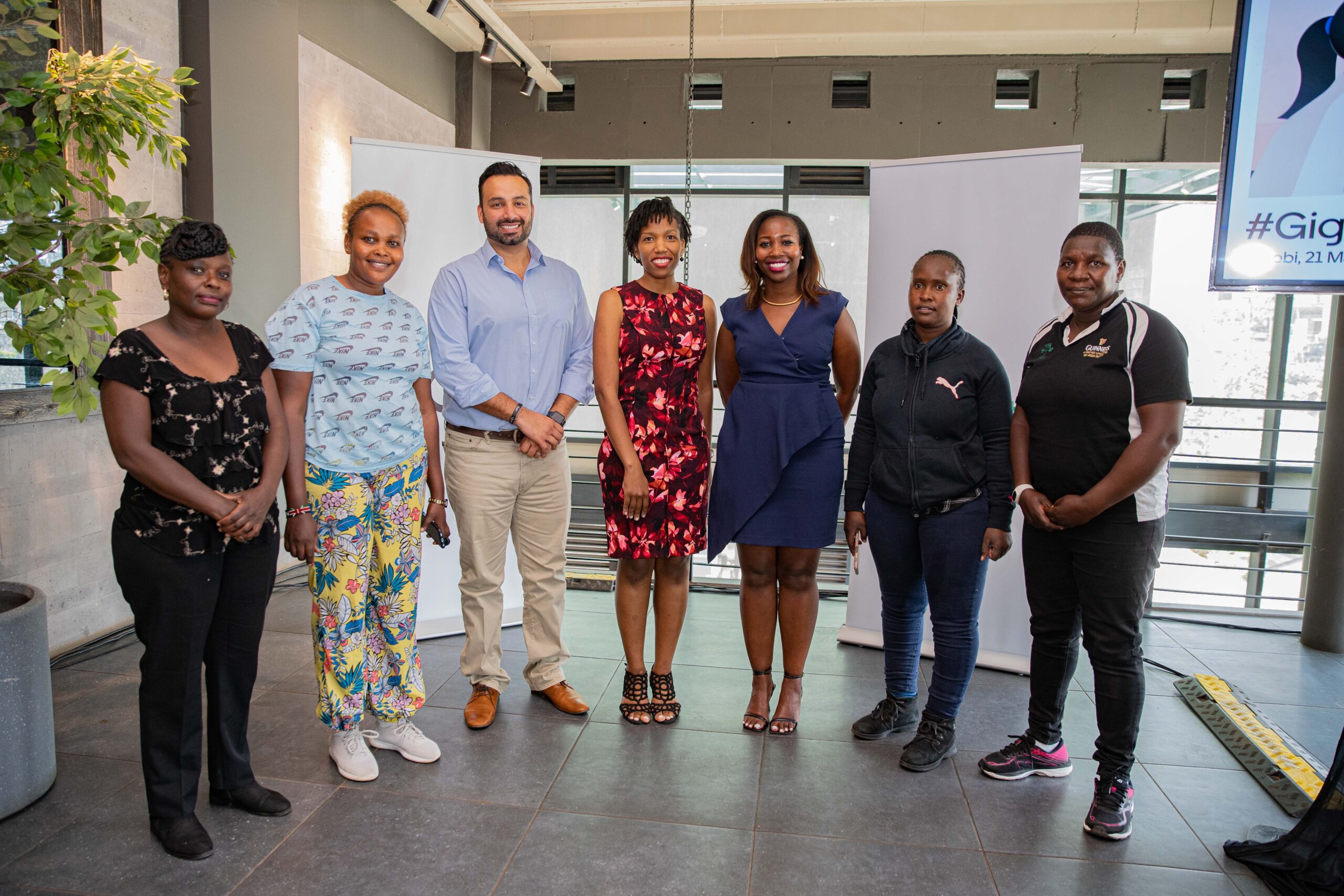
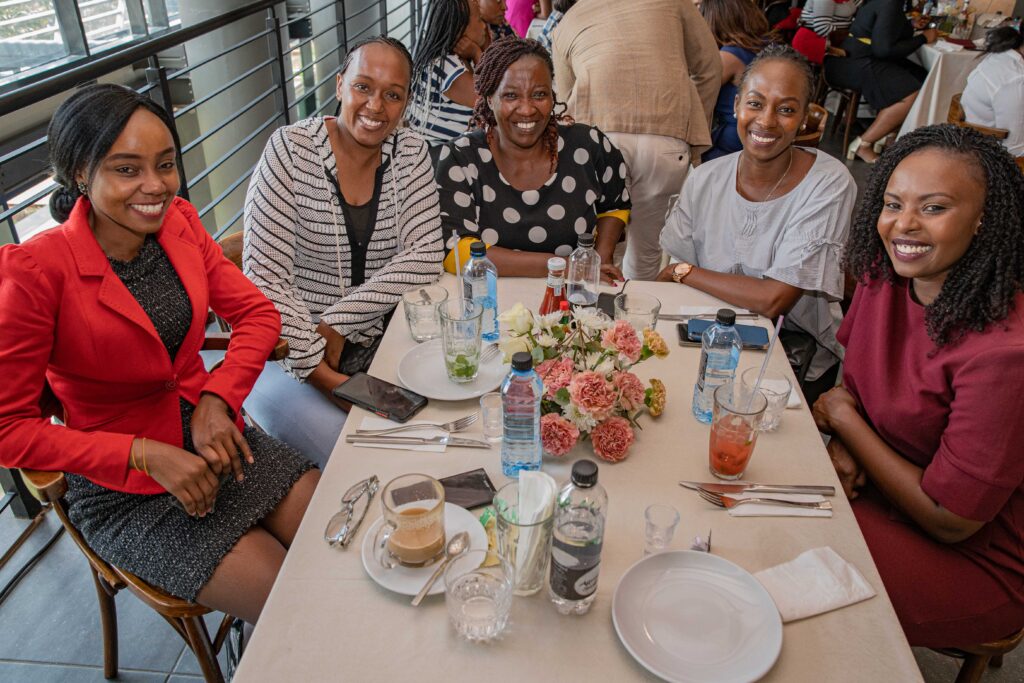
To continue celebrating International Women’s Day, Uber hosted this particular event for women drivers in Nairobi to launch GigSister.
#GigSister
GigSister is a community-based initiative to empower women drivers and couriers on Uber. It’s designed to connect, grow, and empower the community of women on the platform through an array of initiatives.
The program, which has already achieved success in parts of Europe and the UK, sees Uber teaming up with like-minded partners, including Google and L’Oreal, to uplift and empower women through mental health support, motivation, and self-support, as well as self-defense training.
As part of the GigSister initiative, Uber has teamed up with Google to host a series of #iamRemarkable training for women earners, which is designed to equip the earners with leadership tools they can use to position themselves for success in running their businesses.
With the gender gap in ICT in Africa being at 23%, the African Union strategy for Gender Equality and Women’s Empowerment aims to enable women and girls to become more active users and influencers of the technological space. The aim is for women to unlock greater gender-enabling e-solutions for funding.
This is the motivation behind Uber launching the GigSister initiative; to ensure that they are bridging this gap for women earners on the platform.
Speaking at the event, Uber’s Head of Communications East, and West Africa Lorraine Onduru commented, “We are so happy and proud to launch this initiative to help eliminate barriers for women in the gig economy. We want to support women, provide them with a platform to network, and make them feel empowered to get into tech space, and make a living out of it.”
MY TAKE
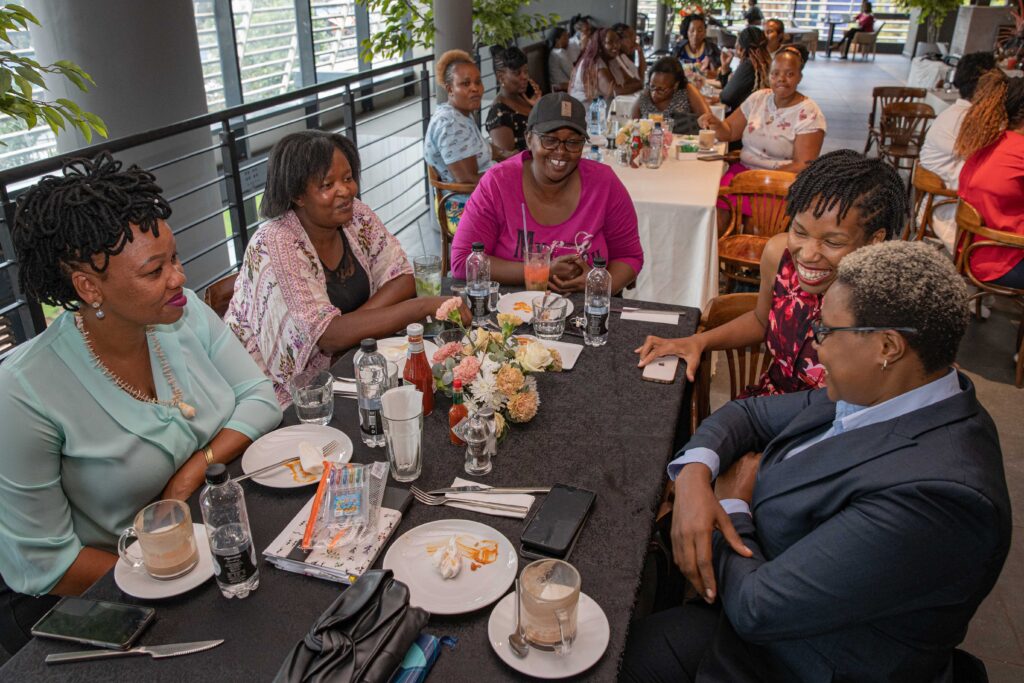
The ladies got to share their experiences (both good and bad), and a few sentiments as well. One of the drivers said she wished we, the clients, would see female Uber drivers as people who are not only providing a service, but are also qualified to do it.
“I wish people saw us as people who are providing a service. We can do it. Being on the road means we’re qualified. We’ve gone through training even with Uber before being signed in as a driver.”
I had a chance to interact with Lilian Muyonga, one of Uber’s women couriers.
She tells me she started out as a foot courier with Jumia before joining Uber in 2019. Lilian works from 9 am-8 pm every Monday to Friday. For her, joining Uber was a decision she doesn’t regret since it’s enabled her to pay rent and take care of her 12-year-old son.
What sparked my interest was when Lilian told me she uses part of the money she’s made during the week to feed street children along James Gichuru Road and Lavington Areas, on Saturdays and Sundays. She spends about Ksh. 3,000 to buy cooking supplies, and prepares the food from her home before distributing it to the street children.
Her dream is to open up a feeding program for street children.
Listening to her, and all the women present helped me realize that one way or the other, these ride-hailing platforms impact the lives of drivers and couriers.