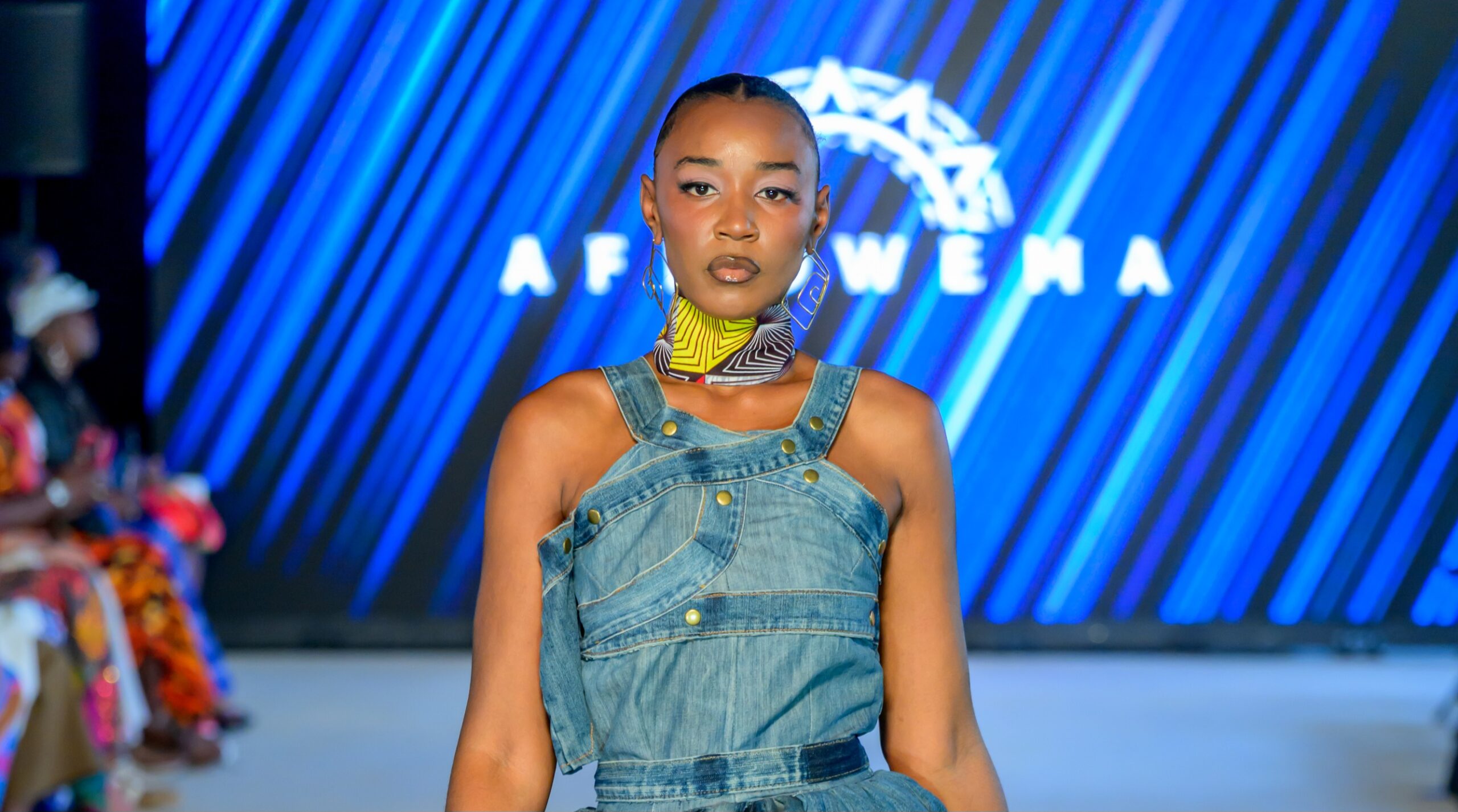
AfroWema, the sustainable fashion label rooted in Kibera, made history this weekend at Africa Fashion Week London (AFWL) 2025, unveiling its fearless new collection, Savage Beauty.
Backed by the Best Seller Foundation, AfroWema’s debut was more than just a runway moment — it was a journey from Nairobi’s informal settlements to one of the world’s biggest fashion stages.
“We took sustainable African fashion straight into the heart of London,” said AfroWema founder and creative director Tatiana Teixeira after the show. “This was more than fashion — it was culture, impact, and global recognition.”
Savage Beauty: A Statement in Style
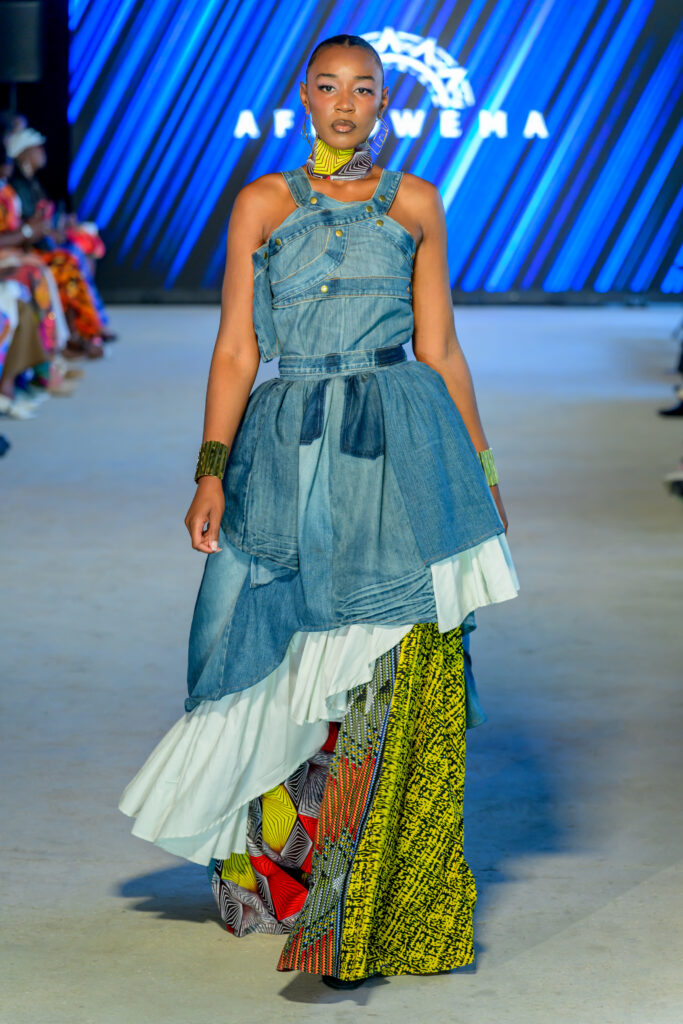
The Savage Beauty collection drew gasps and applause for its bold storytelling. Every piece fused sustainability with cultural heritage, echoing Nairobi’s vibrant streets and the sculptural elegance of African architecture.
Teixeira describes the collection as a “beautiful rebellion” — pushing against the wastefulness of fast fashion while celebrating the enduring spirit of African textiles.
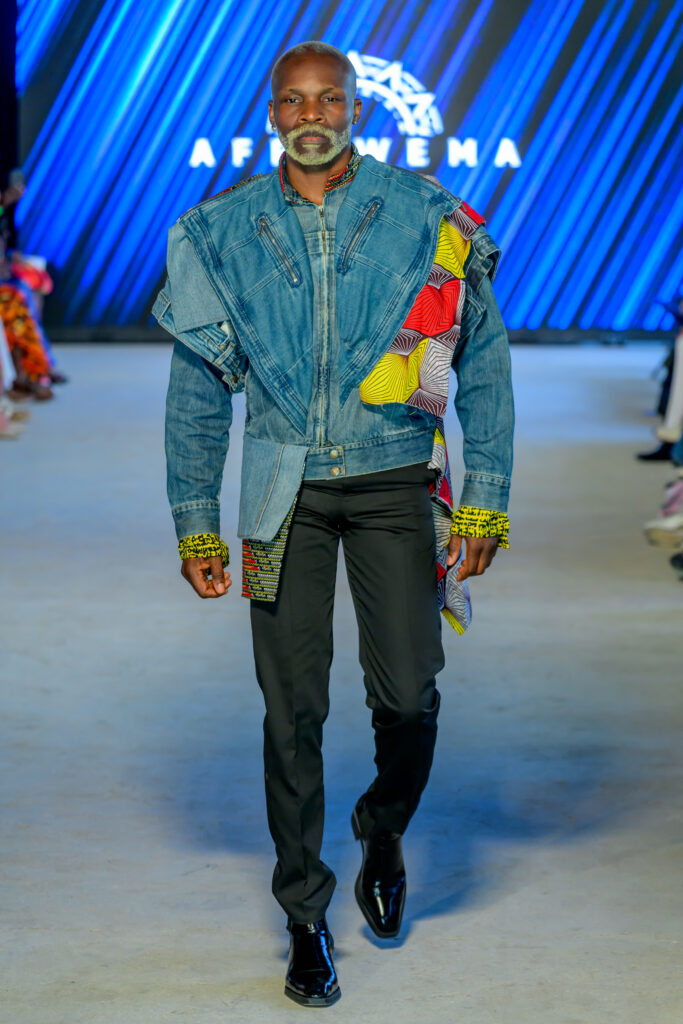
On the runway, models floated in sculpted denim gowns, airy cotton dresses, and dramatic kitenge ensembles. Each outfit was layered with meaning: upcycled denim sourced through a partnership with Mr. Green Africa, ethically woven cotton from Kenyan cooperatives, and rich kitenge fabrics from Ghana and Nigeria. What tied it all together was the craftsmanship of artisans from Kibera — whose creativity transformed discarded garments into couture-worthy statements.
More Than Fashion
Critics praised AfroWema as one of the most exciting voices in African design today. But beyond the glamour, the showcase stood as a testament to empowerment. Every garment was handcrafted by AfroWema’s collective of tailors, designers, and youth from Kibera — stitches woven with resilience, hope, and artistry.
“Savage Beauty is more than a fashion statement,” Teixeira affirmed. “It’s a movement proving that sustainability and luxury can — and must — go hand in hand.”
A Journey of Resilience
Founded in 2022, AfroWema has carved its name as a cross-continental brand bridging Kenya and Portugal. It champions circular fashion, slow production, and community-led creativity. For the artisans of Kibera, stepping onto the AFWL stage was more than recognition; it was proof that brilliance from overlooked spaces can influence global style conversations.