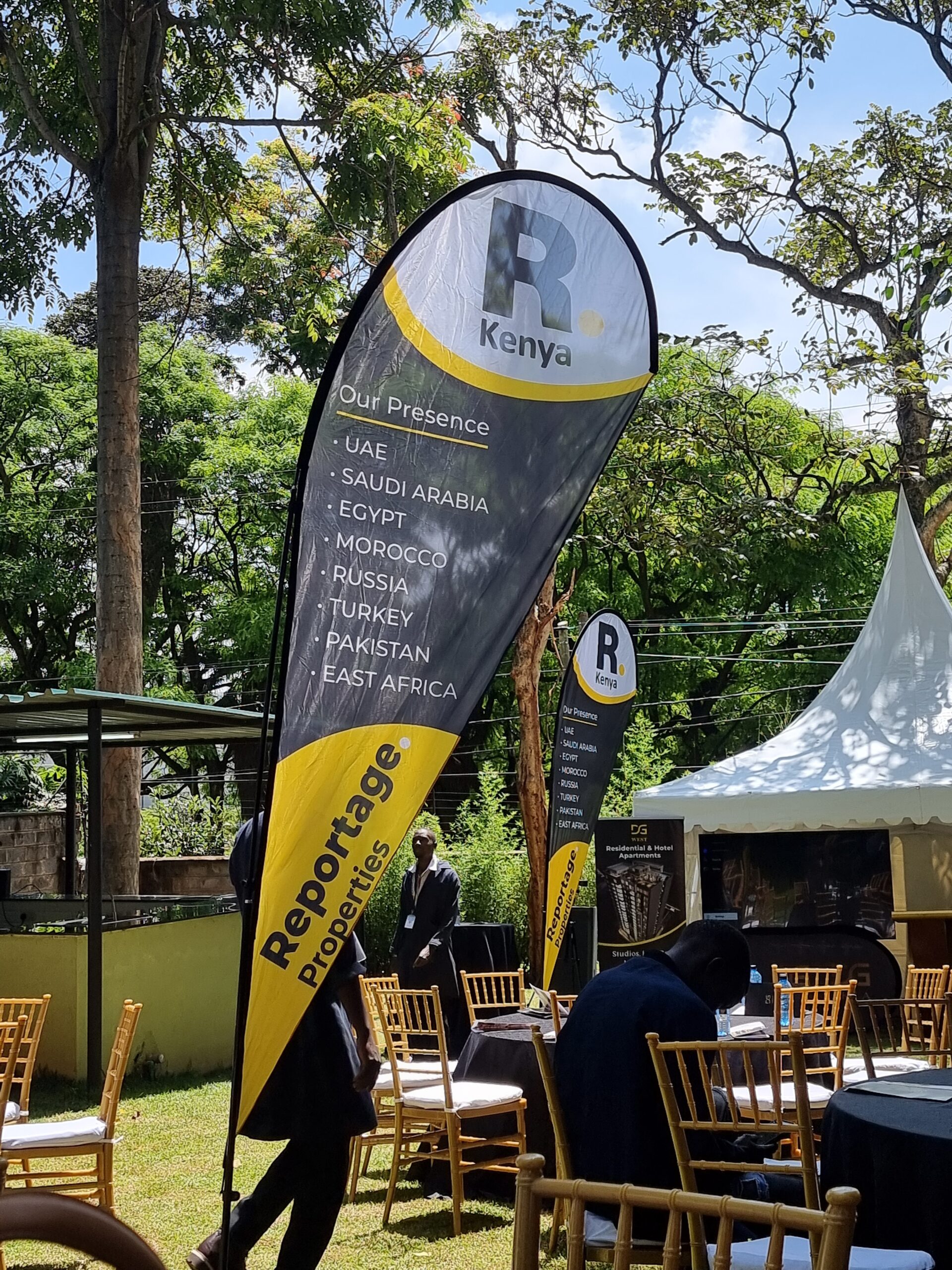
Most business executives consider a multi-city tour exhausting.
For Andrea Nucera, Managing Director of Reportage Group, last week meant touching down in five African nations in just six days—and he wouldn’t have it any other way.
The itinerary read like a masterclass in executive stamina: Abu Dhabi to Addis Ababa on Thursday morning, then Lagos for a Saturday project launch, followed by Angola, Rwanda, and finally Kenya. Each stop wasn’t just a courtesy visit—it was a strategic play in Reportage’s ambitious African chess game, culminating in the approval of major new developments in Nairobi and Mombasa.
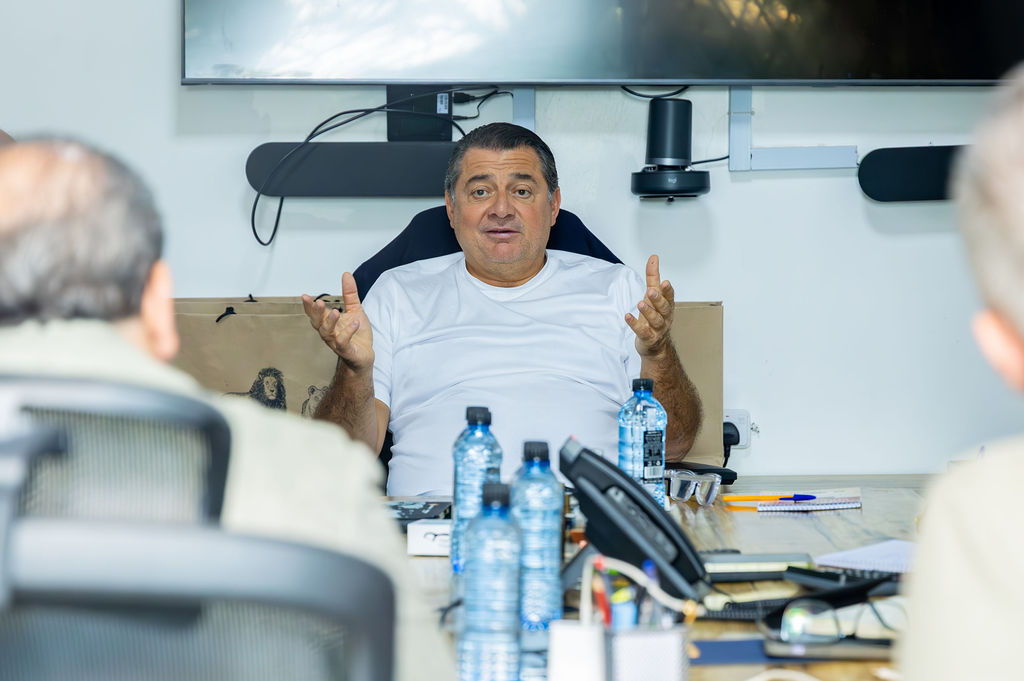
“Every time I’m coming, there is something better and better,” Nucera reflects, speaking to media and stakeholders at the company’s Nairobi office. “For us, Africa is not just an idea. We believe in what we see.”
In an era where investors obsess over spreadsheets and market projections, Nucera’s investment thesis is refreshingly human-centered. When asked what draws Reportage to Kenya specifically, his answer bypasses GDP figures and construction costs entirely.
“The quality of the people—that for us is the first reason,” he states without hesitation. “At the end of the story, we invest in people first, then the land. You can do whatever you want, but if you don’t have human capital to grow and develop, you cannot do anything.”
It’s a philosophy that shapes every decision, from selecting markets to structuring local teams. The recent integration of SSS Developers into Reportage Kenya wasn’t just a merger—it was about building “one team only,” as Nucera emphasizes, unified in vision and execution.
Walking into emerging markets requires a particular kind of vision—the ability to see not just what is, but what could be. Nigeria may be larger and more dynamic, Nucera acknowledges, but Kenya offers something equally valuable: clarity and trajectory.
“The situation in Kenya has a higher possibility to grow because there is a general situation that is much easier to read by investors like we are,” he explains. “You can see there is always a ladder that is going up and up.”
The numbers behind the narrative are staggering. Reportage Group is projected to hit $2.3 billion in turnover this year, with 11,000 units sold globally. Next year’s target? Over $3 billion. From the 4,500-unit mega-development in Angola to ongoing constructions in Kigali, to fresh launches in Lagos and the newly approved Nairobi and Mombasa projects—each represents a bet on Africa’s rising middle class and urbanization wave.
There’s a palpable sense of momentum in Nucera’s messaging. Current inventory in Kenya will sustain operations for “only ten months” at present sales velocity—hence the urgency behind the new project approvals. “I’m pushing them as much as I can to get more projects in the right time and to expand our presence,” he says, revealing the drive that propelled him across five countries in less than a week. Marketing, he emphasizes, isn’t an afterthought. “Our brand needs to be more visible in the city.”
What distinguishes Nucera’s approach is the personal investment. He doesn’t delegate vision-setting or relationship-building to regional managers—he shows up, from Addis Ababa government meetings to Lagos project launches to Nairobi staff gatherings. It’s a leadership style that resonates in cultures where face-to-face engagement matters, where a managing director flying in from Abu Dhabi to greenlight projects signals serious commitment rather than extractive opportunism.
As he wraps up meetings in Nairobi before heading back to Abu Dhabi, the question isn’t whether Reportage will expand further in Africa. It’s how fast, and where next. For executives watching from boardrooms in Dubai, London, or New York, wondering if Africa’s “potential” will ever translate to returns, Nucera offers a simple counter-narrative: show up, invest in people, and trust what you see on the ground.
In the world of global real estate development, where skepticism about emerging markets runs deep, Andrea Nucera is making a different bet—on Africa’s ladder that keeps going “up and up,” and on the human capital that will build it.